
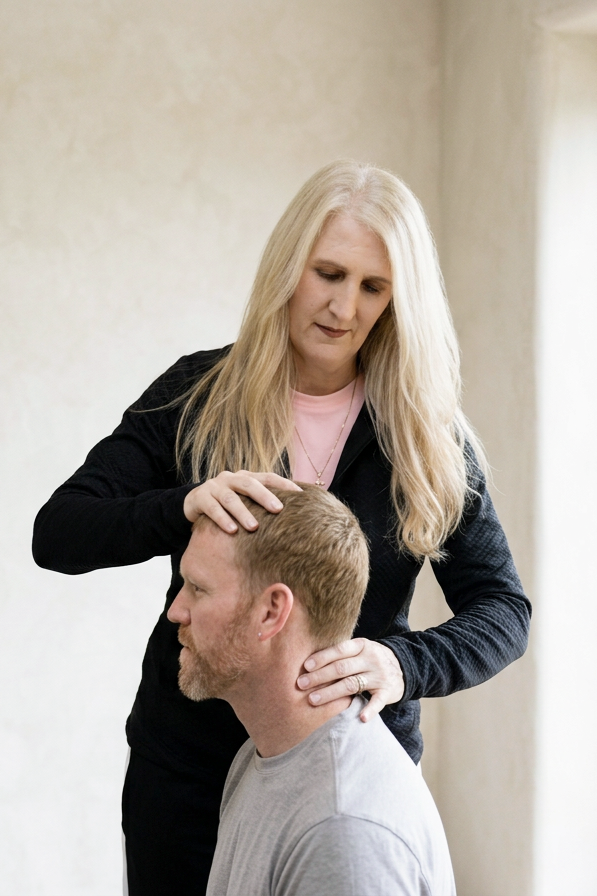
The Right Care Starts With the Right Approach
No two patients — or problems — are exactly alike. That’s why Dr. Kay doesn’t rely on a one-size-fits-all method of care.
Every treatment begins with understanding what’s going on, evaluating your individual needs, and determining which techniques and therapies are most appropriate for you. From gentle chiropractic adjustments to complementary therapies, each part of your care is selected with a purpose.
At Miller Chiropractic in Fond du Lac, Dr. Kay draws on years of experience and a range of treatment techniques to create an approach based on your condition, your comfort level and your goals.
Gentle when it should be. Deliberate in its purpose. Personalized to you.
Specialized Care
Experience and additional training allow Dr. Kay to provide focused care for several types of conditions and patients, while still applying the same individualized approach that guides every treatment plan.

SPORTS INJURY CARE
Chiropractic care can play an important role in treating sports injuries, helping address pain, mobility and function while supporting recovery and a return to activity.
Participation in school athletic programs, fitness programs or even Wednesday night pickleball can lead to a sports injury.
Dr. Miller’s understanding of the training and range-of-motion demands of organized sports gives her a variety of treatment options for sports injury patients.
Dr. Miller received and maintains her CCSP (Certified Chiropractic Sports Practitioner) specialty through Logan Chiropractic College.
BPPV & VERTIGO TREATMENT
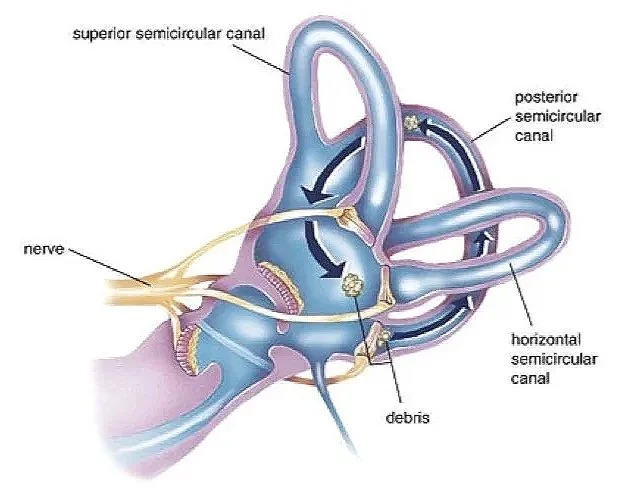
Dr. Kay has extensive experience treating Benign Paroxysmal Positional Vertigo (BPPV) — a common cause of dizziness and spinning that occurs when tiny calcium crystals in the inner ear become displaced. Using specific diagnostic positioning and precise repositioning maneuvers, she can evaluate and treat BPPV. For many patients, the improvement can be dramatic — making BPPV treatment one of the most rewarding areas of Dr. Kay’s practice.
NUTRITION COUNSELING
Good health is influenced by more than what happens in the treatment room. Dr. Kay provides practical, individualized nutrition counseling to help patients make informed choices that support their overall health, recovery and long-term wellness. When appropriate, she may also recommend nutritional supplements to address specific needs and complement a patient’s overall health and treatment plan.

-
Diversified Technique is one of the most widely used chiropractic methods. It uses a quick, precisely directed adjustment to help restore proper movement and function to the spine and joints.
Each adjustment is tailored to the individual. Dr. Miller carefully considers the direction, speed, depth and angle based on the patient’s condition, examination findings and the specific area being treated.
By improving joint mobility and reducing tension in surrounding tissues, Diversified Technique can help restore more comfortable, efficient movement and function.
-
Thompson Technique combines careful spinal analysis with a specialized “drop” table to deliver precise adjustments with less force.
Dr. Miller begins by evaluating the spine and comparing leg length to help identify areas that may not be moving or functioning properly. During the adjustment, she applies targeted pressure while the corresponding section of the table drops a short distance.
The movement of the table assists the adjustment, allowing Dr. Miller to address a specific area of the spine with controlled, measured force.
-
Activator Method is a gentle, low-force chiropractic technique that uses a small, handheld instrument to deliver a quick, precisely controlled adjustment.
Dr. Miller uses specific examination and movement tests to identify areas that may benefit from treatment and determine where and how the adjustment should be delivered. The Activator instrument then applies a measured amount of force in a specific direction without the twisting or stronger pressure associated with some hands-on techniques.
Activator Method can be used for the spine as well as joints such as the knees, shoulders, wrists, ankles and jaw.
-
Logan Basic Technique is an exceptionally gentle chiropractic method that uses light, sustained pressure near the base of the spine to help reduce muscular tension and improve balance through the spine and pelvis.
Rather than applying stronger pressure, Dr. Miller uses precise contact at specific points to encourage tight muscles to relax and help restore more balanced movement and function.
Because it requires very little force, Logan Basic is particularly well suited to patients who benefit from a gentler approach, including infants, older adults and those who may be sensitive to more traditional adjustment techniques.
-
Cox Flexion-Distraction Technique is a non-thrusting chiropractic method commonly used for disc-related conditions, lower back pain and pain that may extend into the legs.
Using a specialized table, Dr. Miller carefully stretches and flexes the spine in a controlled, rhythmic motion. This allows her to isolate specific areas of the spine while reducing pressure and encouraging improved movement without a traditional thrusting adjustment.
Flexion-distraction can also be adapted to the cervical spine using a specialized head and neck device, giving Dr. Miller another targeted treatment option for certain neck and cervical disc conditions. It may also be used to improve spinal mobility, flexibility and range of motion.
Chiropractic Treatment & Techniques
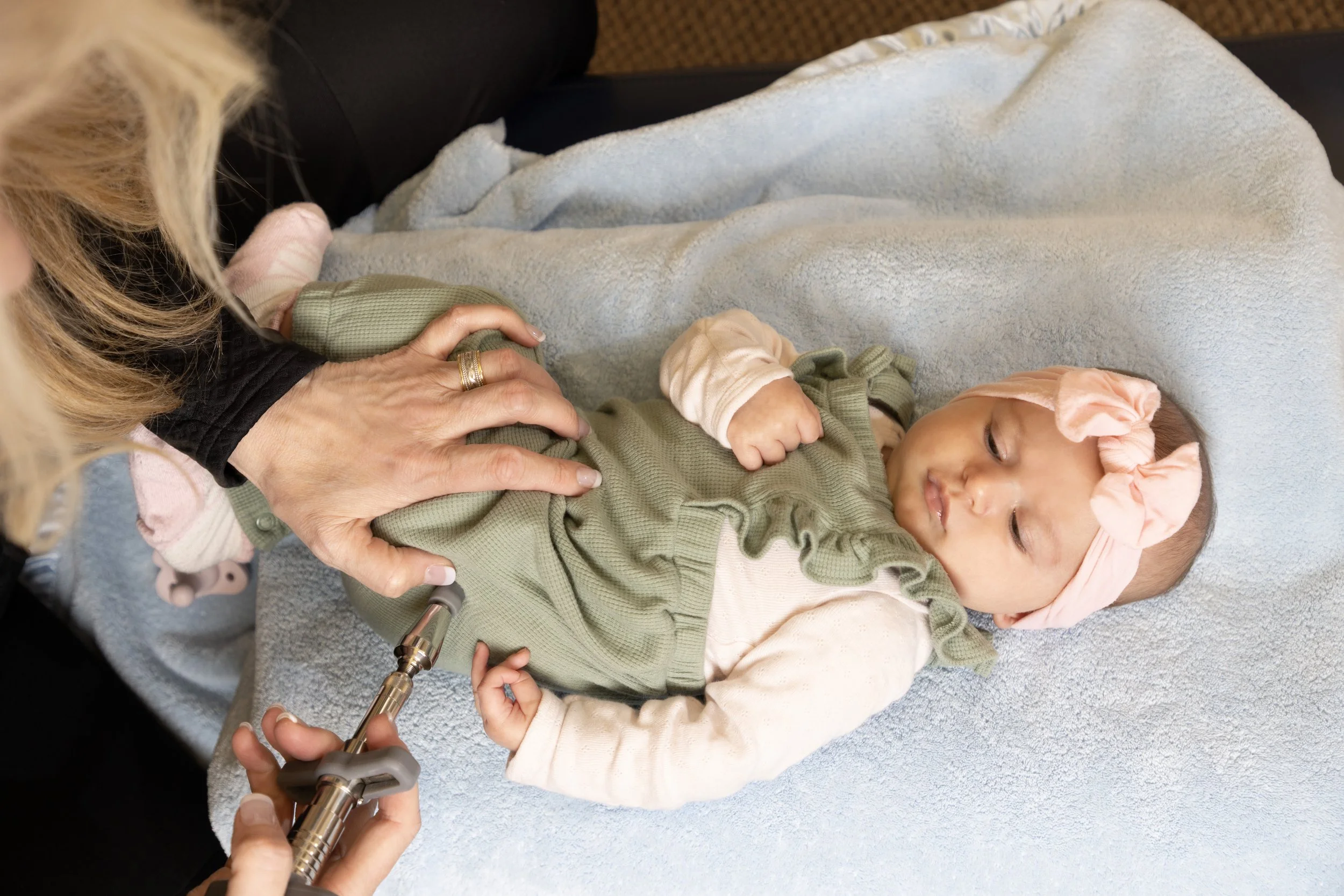
Care that grows with your family. From a baby’s earliest months through every stage of life, Dr. Kay adapts her approach to each patient’s individual needs — using techniques like the Activator to provide precise, low-force chiropractic care when appropriate.
Complementary Therapies
-
Therapeutic ultrasound uses high-frequency sound waves to deliver targeted treatment to muscles and other soft tissues beneath the skin. These sound waves create vibration and a thermal effect within the tissue, allowing treatment to reach deeper areas than many surface therapies.
The resulting increase in tissue temperature and circulation can help relax muscle spasms, improve tissue mobility and support the healing process following certain soft-tissue injuries. Dr. Kay may use therapeutic ultrasound on its own or in combination with other treatments as part of an individualized care plan.
-
Muscles and the connective tissues surrounding them can become restricted following injury, repetitive movement or overuse. These restrictions may contribute to pain, limited mobility and changes in how the body moves — problems commonly experienced by athletes and active adults, but certainly not limited to them.
Dr. Kay uses her hands to evaluate the texture, tension and movement of muscles, fascia, tendons, ligaments and surrounding tissues to identify areas of restriction. Treatment combines precisely applied pressure or tension with specific patient movements to help improve mobility and restore more normal movement within the affected tissues. Small, noninvasive instruments may also be used when appropriate.
Myofascial and adhesion release can be particularly useful when addressing soft-tissue components of conditions involving the back, shoulders, knees, feet and extremities. Dr. Kay often combines these techniques with chiropractic adjustments so that both joint function and the surrounding soft tissues are addressed as part of the treatment plan.
Dr. Kay received specialized training and certification in myofascial and adhesion release techniques through New York Chiropractic College. She has also spent more than a decade volunteering at Ironman competitions, bicycle races and marathons, using these techniques while working with participating athletes — including many of her own patients.
-
Interferential electrotherapy uses mild electrical impulses delivered through electrodes placed on the skin around an injured or painful area. The electrical currents intersect within the tissues, creating a low-frequency stimulation that can reach deeper than traditional surface electrical stimulation.
The treatment is often described as feeling like an electronic muscle massage. It may help reduce pain, relax muscle spasms, improve circulation and decrease swelling associated with certain soft-tissue injuries.
Dr. Kay may use interferential therapy for conditions such as muscle strains, ligament sprains and muscle spasms, often in combination with chiropractic care or other therapies as part of an individualized treatment plan.
-
Dry needling is a targeted treatment used to address tight, irritated or restricted areas within muscles and other soft tissues. Using a very thin, sterile needle, Dr. Kay treats specific points within the affected tissue to help reduce muscle tension, improve mobility and relieve pain associated with certain musculoskeletal conditions.
Unlike acupuncture, which is based on traditional acupuncture points and principles, dry needling is focused on the evaluation and treatment of muscles and soft tissues. The technique may be useful for muscle tightness, trigger points, overuse injuries and other conditions where soft-tissue dysfunction is contributing to pain or restricted movement.
Dr. Kay may incorporate dry needling alongside chiropractic adjustments, myofascial work or other therapies when appropriate, allowing her to address both joint function and the surrounding soft tissues as part of an individualized treatment plan.
-
Acupressure applies targeted pressure to specific points on the body using the fingers or a handheld Solitens device rather than acupuncture needles. The technique is used to stimulate these points and may help relieve muscle tension, reduce discomfort and support relaxation and circulation.
Dr. Kay incorporates acupressure when appropriate as another option for addressing areas of tension and discomfort, either on its own or alongside other chiropractic treatments and therapies.
Dr. Kay received her Acupuncture Certification from Logan College of Chiropractic, providing additional training and knowledge that informs her use of acupressure in patient care.
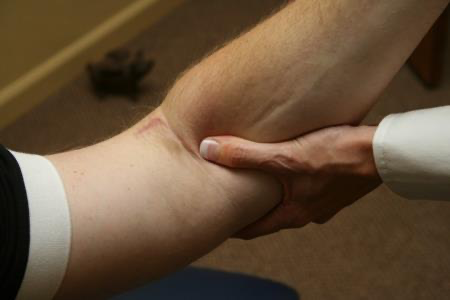
Targeted care for muscles and soft tissues. Dr. Kay uses myofascial and adhesion release techniques to identify and address areas of restriction, helping improve mobility and restore more normal movement.